
“The food you eat can be either the safest and most powerful form of medicine, or the slowest form of poison.” - Ann Wigmore
In Part 1 we looked at the biology. At how your liver, lymphatic system, gut, and skin work together as a continuous, intelligent detox network. In Part 2 we explored what becomes possible when you support that network properly. Now we get to the part that most people actually want to know about: what to eat.
Here's the honest answer: there is no single detox superfood. No one ingredient that does the work. The magic, as with most things in nutrition, is in variety, consistency, and understanding why certain foods do what they do so you can make intelligent choices rather than following a list someone handed you.
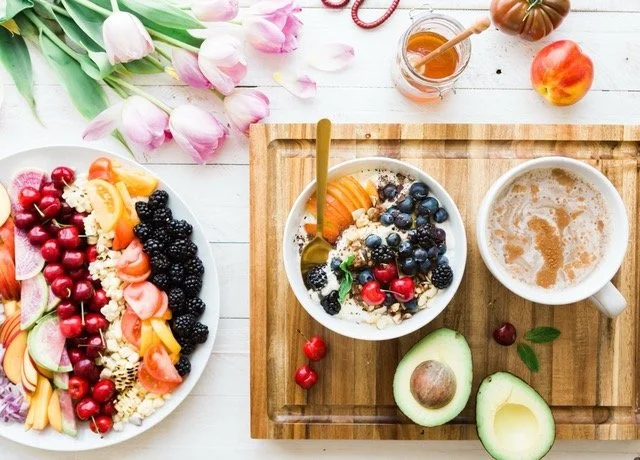
The framework worth holding onto: think of your plate as information you're sending to your detox systems. Colourful, whole, unprocessed foods tell those systems they have what they need to function well. Refined, processed, chemically complex foods tell them the opposite. Every meal is a message.
The Foods Worth Understanding
Rather than an exhaustive list, here are the foods that do the most meaningful biochemical work - and why.
Cruciferous vegetables: broccoli, kale, Brussels sprouts, cabbage, cauliflower
These are the liver's closest allies. Cruciferous vegetables contain two compounds - sulforaphane and indole-3-carbinol - that specifically activate Phase II liver detoxification enzymes. They also provide the sulphur compounds the liver needs to synthesise glutathione, the master antioxidant we discussed in Part 1. If you eat nothing else from this list regularly, eat these. Lightly steamed retains more of the active compounds than boiling. Raw is also excellent.
A note that matters particularly for women: indole-3-carbinol supports the metabolism of estrogen into its safer, less proliferative forms. For anyone navigating hormonal shifts in perimenopause, this is not a small thing.
Beets
Beets contain a group of pigments called betalains, which have been shown to support Phase II liver detoxification and reduce inflammation. They also boost nitric oxide production, improving circulation - which matters for all detox pathways, since a well-circulated system moves waste more efficiently. Beets support bile flow, which is how the liver packages toxins for excretion through the digestive tract. Roasted, raw, or juiced - all useful.
Garlic and onions
These are the sulphur delivery system of the plant world. The compounds in garlic and onions - allicin in particular - directly support glutathione production, have antimicrobial properties, and enhance Phase II liver enzyme activity. They're also prebiotic, feeding the beneficial bacteria in the gut that play their own role in detoxification and estrogen metabolism. Cook them gently to preserve active compounds; raw is more potent if you can manage it.
Avocado
One of the richest food sources of glutathione precursors, alongside healthy monounsaturated fats that support bile production and fat-soluble toxin elimination. Avocado also contains B6, which supports liver enzyme function, and potassium, which supports kidney filtration. It's one of those foods that looks indulgent and is doing serious biochemical work.
Leafy greens: spinach, rocket, dandelion, watercress
Chlorophyll - the compound that makes plants green - has a demonstrated ability to bind to certain environmental toxins and reduce their absorption. Dandelion greens and root in particular have a long history as a liver tonic: they stimulate bile production and have a mild diuretic effect that supports kidney function. Watercress contains isothiocyanates. These are compounds that activate detox enzymes in a similar way to cruciferous vegetables.
Flaxseeds
Flaxseeds provide lignans - plant compounds that bind to excess estrogen in the digestive tract and support its safe elimination. For women, this is particularly relevant. They're also rich in soluble fibre, which binds to toxins in the colon and escorts them out before they can be reabsorbed, and omega-3 fatty acids, which reduce the systemic inflammation that burdens every detox pathway. Ground flaxseed is better absorbed than whole. A tablespoon daily in a smoothie or over yoghurt is enough to be meaningful.
Ginger and turmeric
Two of the most consistently evidence-backed anti-inflammatory foods available. Turmeric's active compound curcumin supports Phase II liver detoxification, reduces inflammatory signalling, and protects liver cells from damage. Ginger supports digestion, reduces nausea, and has demonstrated liver-protective effects. Both are significantly more bioavailable when combined. Curcumin absorption increases dramatically in the presence of black pepper. Use them together, generously, and often.
Green tea
Rich in catechins - a class of antioxidants that have been shown to protect the liver, reduce inflammation, and support the clearance of fat-soluble toxins. Green tea also contains L-theanine, which has a calming effect on the nervous system without sedation. One to two cups daily is a simple, pleasant addition to a detox-supportive routine.
Cilantro and chlorella
These two are often cited together for their potential role in heavy metal detoxification. Cilantro may help mobilise certain metals from tissue, while chlorella, a freshwater algae, has demonstrated binding capacity in research settings. The evidence is still developing, and neither is a standalone solution, but both are nutritionally rich and worth including in a varied diet.
A Word on the Gut Microbiome
No conversation about detox food is complete without addressing the microbiome - the community of trillions of bacteria, fungi, and other microorganisms living in your gut that are increasingly understood to be active participants in detoxification, not passive bystanders.
Your gut bacteria metabolise certain environmental toxins, breaking them down into less harmful compounds before they reach the bloodstream. They also play a critical role in estrogen metabolism: a healthy microbiome produces an enzyme called beta-glucuronidase in appropriate amounts, helping to regulate how much estrogen is excreted versus recirculated. When the microbiome is disrupted - by antibiotics, chronic stress, a low-fibre diet, or excess alcohol - this process becomes dysregulated, and estrogen recirculation increases.
Feeding your microbiome is therefore not separate from detox support. It is detox support. The foods that do this best: a wide variety of colourful plant foods (aim for thirty different plants per week which is more diverse than most people realise is achievable), fermented foods like good quality yoghurt, kefir, sauerkraut, and kimchi, and prebiotic-rich foods like garlic, onions, leeks, asparagus, and oats.
What a Detox-Supportive Day Actually Looks Like
This is just a template - flexible, seasonal, genuinely enjoyable.
Morning: Warm water with fresh lemon juice before anything else. This is a simple liver and digestive primer - gentle, effective, and worth the habit.
Breakfast: A green smoothie built around spinach or kale, frozen berries, half an avocado, a tablespoon of ground flaxseed, and plant-based protein. Or gluten-free oats with berries, a sprinkle of seeds, and a dollop of almond butter.
Lunch: The most colourful plate you can build. A large base of mixed leaves and raw vegetables - at least half the plate - with a portion of legumes or clean protein, a generous drizzle of olive oil, fresh lemon, and herbs. Aim for at least five different colours.
Dinner: Something warm and nourishing: a turmeric and lentil soup with wilted greens, a Buddha bowl with roasted cruciferous vegetables and tahini dressing, or baked salmon with steamed bok choy and ginger. Simple, seasonal, satisfying.
Throughout the day: Water - at least two litres, sipped between meals rather than during to support digestive enzyme function. Green tea. Herbal infusions of nettle, dandelion, or ginger.
What to Reduce
A detox-supportive approach isn't only about what you add. Reducing the incoming load matters equally.
Alcohol is the most significant variable. It directly burdens the liver, depletes glutathione, disrupts the gut microbiome, and impairs sleep which is when the majority of cellular repair happens. Even moderate reduction makes a measurable difference.
Ultra-processed foods, refined sugar, and industrial seed oils all drive the systemic inflammation that slows every detox pathway. Conventional (non-organic) produce where pesticide load is highest - the so-called dirty dozen - is worth swapping to organic where possible.
No need to be perfect. This is about reducing the load enough that your body's own systems can do their work properly.
The HWell Takeaway
Detox eating is not about restriction, green juice, or an approved food list you follow for a week and abandon. It's about understanding which foods actively support your liver, your gut, your lymphatic system, and your microbiome, and building a relationship with those foods that's consistent enough to matter.
Eat the rainbow. Mean it. Let variety be your strategy and whole food be your foundation.
In Part 4, we bring it all together: the lifestyle practices that support everything you've just read, and how to make this a rhythm rather than a reset.
Stay vibrant, stay radiant.
💚 Gaby
Follow us on Instagram