
“It starts with a single cell and every one of those cells knows exactly what to do to preserve and nurture you.” - Bill Bryson
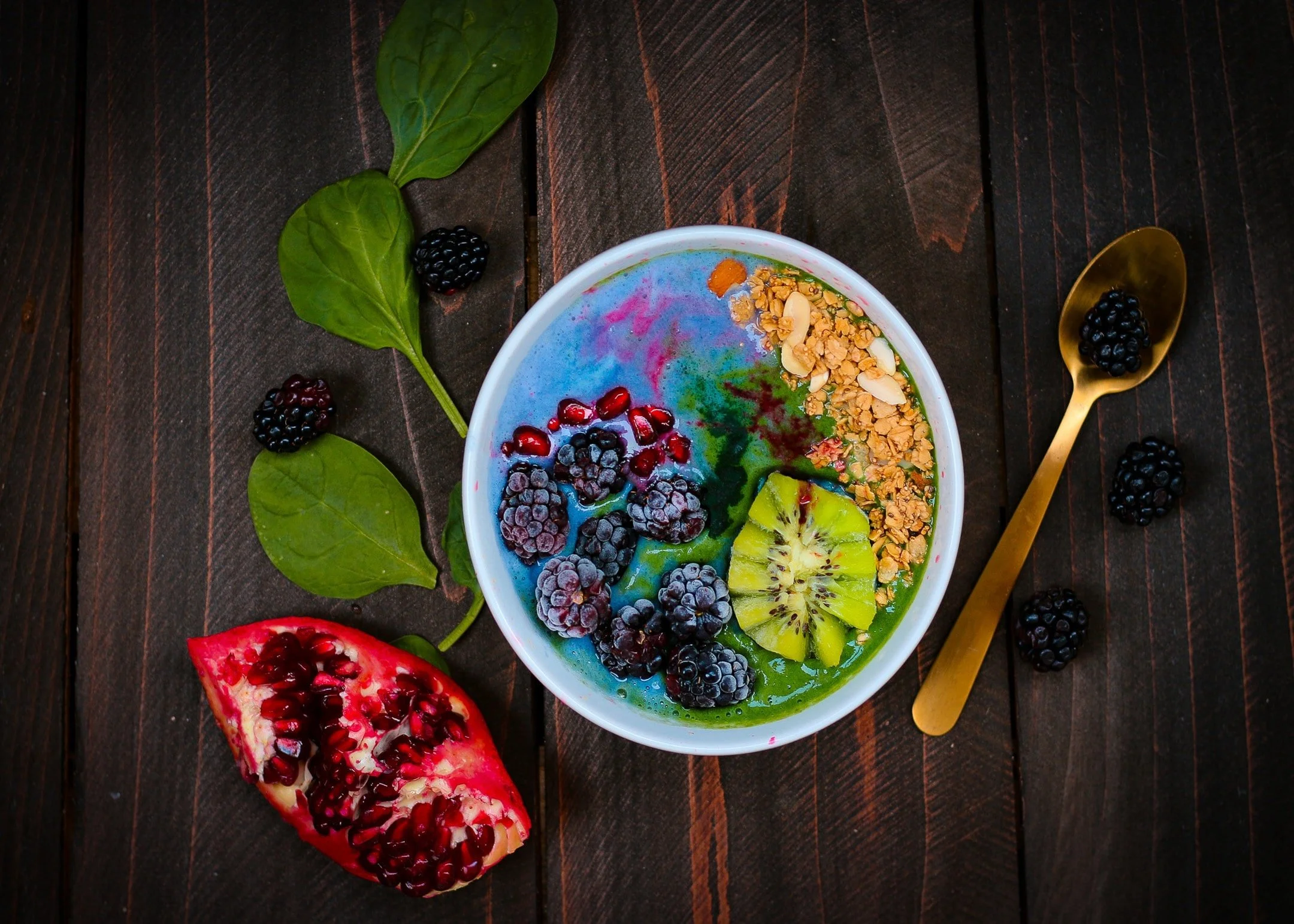
The Benefits
In Part 1 we looked at the biology - the liver's two-phase filtration process, the lymphatic system's quiet work, glutathione's role as the body's master antioxidant. We established that detoxification isn't something you trigger. It's something your body is already doing, continuously, and that your job is simply to support it well.
So what actually happens when you do?
The benefits of reducing your toxic load and nourishing your detox pathways go considerably further than a flatter stomach or a clearer complexion though those tend to come too. What shifts, when you genuinely support these systems, is something more fundamental. You start to feel like yourself again.
Here's what the science and lived experience consistently shows.
Energy that doesn't require caffeine to exist
When your detox systems are under high load, your body is devoting significant resources to managing the backlog. Processing, neutralising, packaging, excreting. This is metabolically expensive work. Reduce the load, and that energy becomes available for you instead.
Most people notice this within the first few days of eating cleanly: a steadiness to their energy that doesn't spike and crash, a morning alertness that doesn't depend on coffee to arrive. This is your mitochondria - your cellular energy factories - functioning without the interference of excess toxins and inflammatory compounds.
Hydration alone, when people are genuinely well-hydrated for the first time in a long time, produces a noticeable shift in energy. The kidneys work more efficiently. Blood viscosity improves. Every cell functions better. It's unglamorous and it's real.
A gut that works the way it's supposed to
The gut is simultaneously a detox organ and the foundation of almost every other system in the body. When you increase fibre - through colourful vegetables, legumes, whole grains, seeds - you give the microbiome the material it needs to thrive, and you give the colon what it needs to move waste through efficiently.
This matters more than it might seem. Toxins that sit in a sluggish colon get reabsorbed. Estrogen metabolites that should be excreted get recirculated instead, contributing to hormonal imbalance, mood fluctuations, and the kind of low-grade inflammation that's easy to normalise but shouldn't be. A well-functioning gut is not a digestive comfort issue. It's a whole-body health issue.
Think of fibre as the daily sweep that keeps everything else working properly.
A quieter, more capable immune system
Your immune system and your detox system share resources. When your liver, lymph, and gut are overloaded, your immune system is working in a compromised environment - chronically activated, nutrient-depleted, and less able to respond appropriately to genuine threats.
Reduce that load and the immune system becomes quieter, calibrated in the best possible way. It absorbs nutrients more efficiently. It produces fewer unnecessary inflammatory signals. It responds to actual threats rather than reacting to everything as though it's one.
For women in perimenopause, where immune dysregulation and increased inflammatory sensitivity are already part of the hormonal picture, this recalibration can be particularly noticeable.
A brain that clears
Brain fog is one of the most commonly reported symptoms of toxic overload and one of the most reliably improved by cleaning up the diet and supporting detox pathways.
The brain has its own waste-clearance system, the glymphatic system, which operates primarily during deep sleep. But the broader inflammation driven by poor diet, gut permeability, and high toxic load reaches the brain too, impairing neurotransmitter function, slowing cognitive processing, and producing that familiar feeling of thinking through cotton wool.
When inflammation drops - through cleaner food, better sleep, reduced toxic input - mental clarity often returns quickly. People describe it as the lights coming back on. Sharp focus, better recall, a return of creative energy.
Skin that reflects what's happening inside
The skin is a secondary detox organ. When the primary pathways are overburdened, it takes on more of the load. This is why gut dysfunction, liver stress, and high inflammatory load so often show up on the face first. Acne, dullness, puffiness, uneven tone - these are frequently internal stories written on an external surface.
Support the liver and gut properly, reduce the inflammatory burden, increase antioxidant intake through colourful whole foods and the skin tends to follow as a genuine reflection of what's changing underneath.
This is what people mean when they talk about a "glow" from eating well. It's simple biology.
A different relationship with food itself
This one is underappreciated: a period of clean, intentional eating often fundamentally shifts what you want to eat.
Cravings are largely driven by blood sugar dysregulation, gut microbiome composition, and habituation to high-sugar, high-fat processed foods. When you remove those inputs consistently for even a week or two, something shifts. The intensity of cravings decreases. Real food starts to taste more interesting. The body begins sending clearer signals about what it actually needs rather than what it's been conditioned to want.
This is why a well-designed detox period is less about restriction and more about recalibration. You're resetting the baseline from which all your future food choices will be made.
Emotional steadiness
The gut-brain axis - the bidirectional communication pathway between your microbiome and your nervous system - means that what happens in your gut has a direct effect on your mood. Around 90% of serotonin is produced in the gut. Microbiome diversity is associated with lower rates of anxiety and depression. Inflammation drives mood dysregulation.
Clean up the gut, reduce systemic inflammation, sleep better, move more. Mood often follows without being directly targeted. Many people describe a detox period as surprisingly light, even joyful. Why? Because the internal environment has changed.
The HWell Takeaway
None of these benefits require a dramatic intervention or an expensive program. They require consistency, intention, and a genuine understanding of what your body needs to do its work.
The liver needs the right nutrients. The gut needs fibre and diversity. The lymphatic system needs movement. The brain needs sleep. The whole system needs more of what nourishes it.
That's all a detox really is. And when you approach it that way - as intelligent support - the results tend to surprise you.
In Part 3, we get specific: the foods that do the most meaningful work, and how to actually enjoy eating them.
Stay vibrant, stay radiant.
💚 Gaby
Follow us on Instagram