
A Smarter Way to Support Seasonal Allergies

Balance is not something you find. It is something you create.
Jana Kingsford
Two days ago I spoke to a good friend who sounded completely defeated.
“Allergy season just started,” he said. “It’s already bad. My eyes are on fire. I’m exhausted. I feel like I’m fighting my own body.”
He had antihistamines in one hand and frustration in the other. So I asked him a simple question: “Have you ever considered supporting your immune system before it spirals?”
Silence.
What’s Actually Happening in Your Body?
Seasonal allergies are an exaggerated immune response. Your body encounters pollen - or grass, or tree particles - identifies it as a threat, and activates mast cells. These cells release histamine, a chemical messenger that drives inflammation, mucus production, itching, swelling, and that relentless runny nose.
Histamine itself isn't the villain. It's actually protective - part of your body's defense system doing exactly what it was designed to do. The problem is when the system overreacts, flooding the body with a response that's wildly disproportionate to the actual threat. The result: sneezing, itchy watery eyes, congestion, fatigue, brain fog, and a particular kind of irritability that only people who can't breathe through their nose truly understand.
The goal isn't to suppress your immune system. It's to help it find its equilibrium again.
Here's what makes this even more interesting: approximately 70-80% of your immune system lives in your gut. The gut and immune system are in constant conversation which means what you eat, how your microbiome is doing, and how inflamed your digestive system is all directly influence how your body responds to pollen season. This is why a purely symptom-based approach often falls short.
Functional Allies Against Seasonal Allergies
These are well-researched nutrients that support immune balance, mast cell stability, and histamine regulation. As always, individualize, especially if you're on medication.
Vitamin C (1000–2000 mg daily, split doses) A natural antihistamine that also stabilizes mast cells and supports adrenal resilience. Worth noting: the adrenal glands are one of the most vitamin C-dense tissues in the body and allergy season is genuinely stressful on the system.
Quercetin (500–1000 mg daily, ideally with bromelain) A bioflavonoid found naturally in onions, apples, and capers. One of the most studied mast cell stabilizers available. It helps calm the immune overreaction at its source. Bromelain (an enzyme from pineapple) enhances its absorption.
Zinc (15–30 mg daily) Supports immune regulation and tissue repair, particularly helpful for irritated mucous membranes. Choose zinc picolinate or bisglycinate for better absorption.
Black Cumin Seed Oil - Nigella sativa (500–1000 mg daily) Contains thymoquinone, a compound shown to modulate both inflammatory and allergic responses. Particularly useful when allergies feel systemic rather than localized.
N-Acetylcysteine (NAC) (600–1200 mg daily) Helps thin mucus and supports glutathione production, your body's master antioxidant. Especially helpful when congestion is the dominant complaint.
Probiotics (with Lactobacillus rhamnosus GG or Bifidobacterium longum) Because the gut-immune connection is real and significant. Supporting microbial balance improves immune tolerance over time and can meaningfully reduce allergic intensity across a season.
Stinging Nettle Extract (300–600 mg daily) A natural antihistamine with anti-inflammatory properties. Works beautifully in combination with quercetin.
Food as Immune Support
Allergy season is the time for intelligent nourishment. Your immune system is already working overtime. The last thing it needs is extra inflammatory burden on top of it.
Eat more of:
Colourful vegetables - broccoli, spinach, bell peppers, red onions, carrots. Rich in quercetin, vitamin C, and beta-carotene.
Omega-3 rich foods - fatty fish, chia seeds, flaxseeds, walnuts. Reduce inflammatory prostaglandins and support immune balance.
Garlic and onions - sulfur compounds and quercetin combined, supporting both detox pathways and immune regulation.
Green tea - contains EGCG, which helps modulate allergic inflammation. One to two cups daily is enough to make a difference.
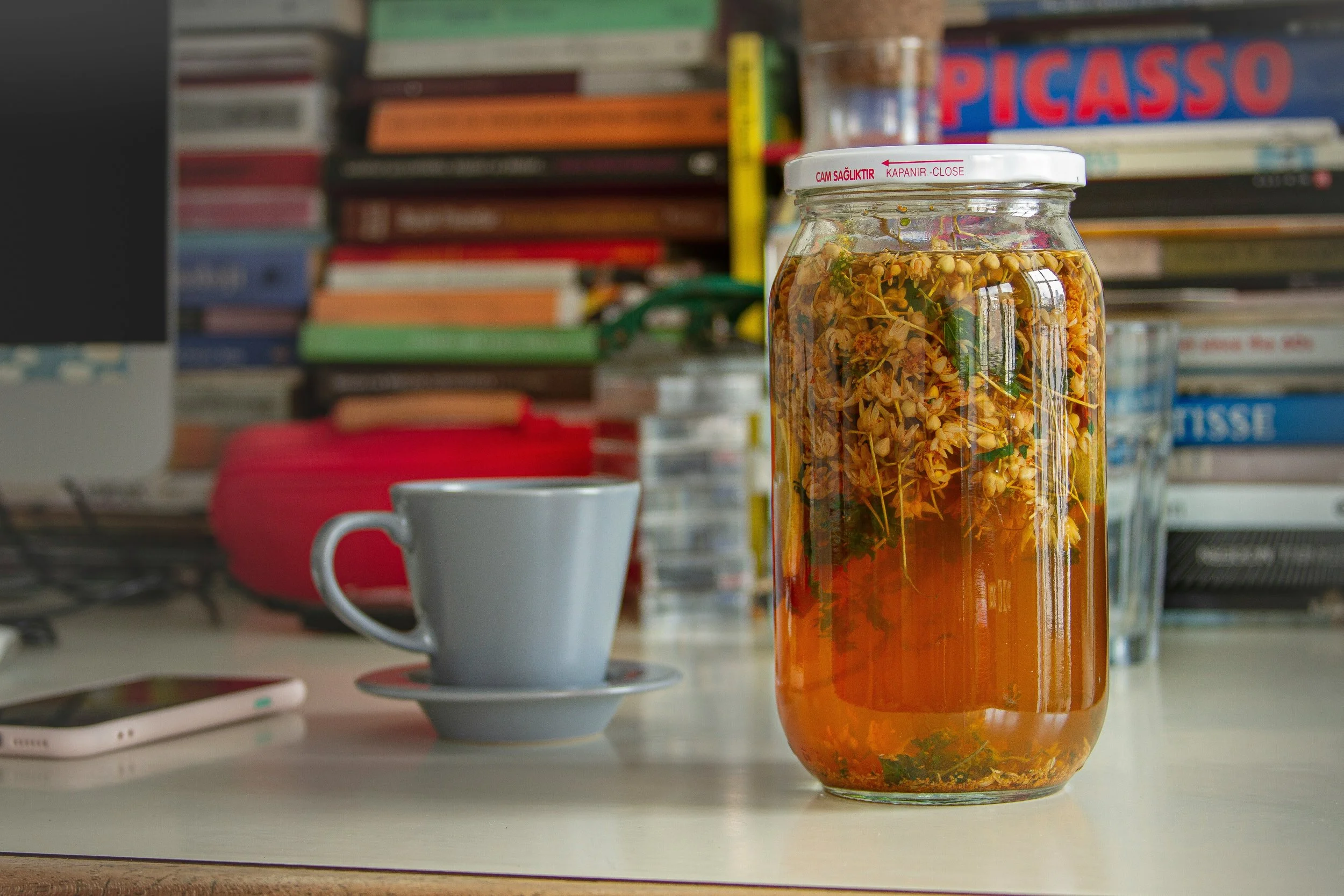
Herbs and spices - turmeric, ginger, thyme, nettle tea. Nature's anti-inflammatories, and they make everything taste better.
Limit, especially during flare-ups:
High-histamine foods - aged cheese, smoked meats, red wine, vinegar, canned fish. These add to an already burdened histamine load.
Sugar and refined carbohydrates - they promote inflammation and immune dysregulation at a time when your system needs the opposite.
Alcohol - particularly red wine and beer, which increase histamine and reduce DAO enzyme activity (the enzyme responsible for breaking histamine down).
Ultra-processed foods - additives, seed oils, and preservatives add inflammatory burden without any nutritional return.
Think of it this way: your immune system is already doing heavy lifting. Don't give it extra paperwork.
Practices That Actually Move the Needle
Beyond food and supplements, a few simple habits can significantly reduce your allergen load and calm your body's reactivity:
Nasal saline rinses clear allergen particles directly from the passages where they do the most damage. A HEPA air purifier in the bedroom makes a real difference while you sleep. Showering and changing clothes after being outdoors removes pollen before it settles. Staying well hydrated keeps mucus thinner and sinuses happier.
And then there's this: when your nervous system is chronically stressed, allergic responses intensify. Immune reactivity and stress reactivity are deeply linked which means breathwork, rest, and nervous system regulation aren't soft extras. They are part of the protocol.
The HWell Takeaway
Seasonal allergies are a signal that your immune system is highly reactive. Rather than fighting it into submission, you can support it - stabilize inflammation, calm mast cells, strengthen the gut-immune axis, reduce histamine load, and nourish intelligently.
Allergy season may still arrive. You just don't have to white-knuckle your way through it.
Small, strategic support applied consistently makes a remarkable difference. And if your eyes are itching as you read this - I see you. Start here.
In vibrant health,
Gaby 💚
Follow us on Instagram