
"The doctor of the future will no longer treat the human frame with drugs, but rather will cure and prevent disease with nutrition." - Thomas Edison
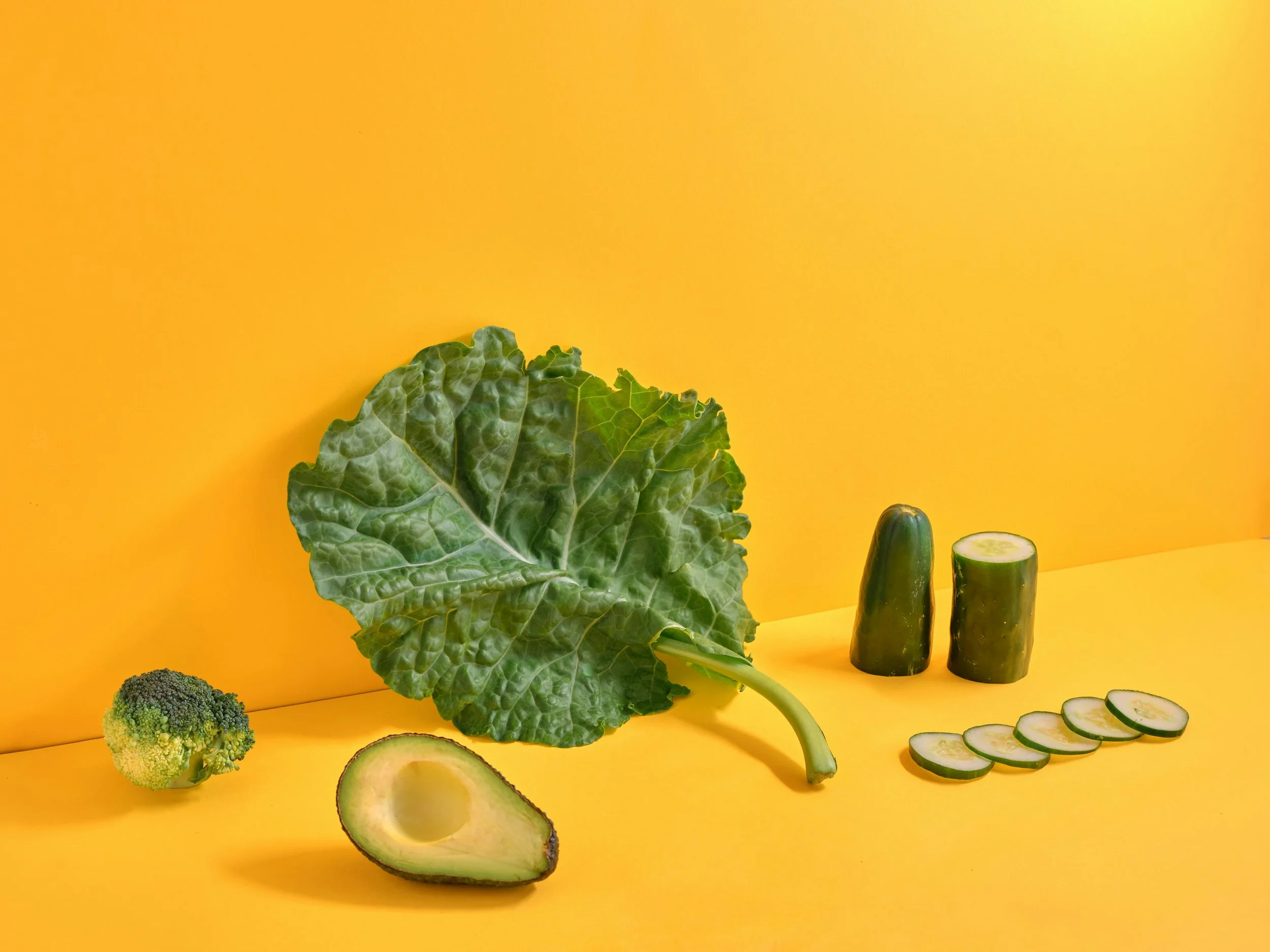
I recently had a conversation with a friend about food, diets, and the particular kind of confusion that comes from following wellness trends too closely. Paleo, vegan, keto, Whole30 - the list is endless and ever-changing. Every few months a new approach promises eternal youth and radiant skin, often by contradicting the one before it. My friend was understandably overwhelmed. Honestly, who wouldn't be?
Here is what I told her: there is no universal diet that works identically for every human being. We are complex, individual, shaped by our genetics, our histories, our gut microbiomes, and the particular demands of our lives. What works beautifully for one person may do very little for another.
But one thing is genuinely universal: our cells depend on micronutrients to function. Every single one of the approximately 37 trillion cells in your body does.
Micronutrients 101
Unlike macronutrients - the carbohydrates, fats, and proteins that provide energy and structural material - micronutrients are the compounds your body needs in smaller amounts but relies on absolutely. Vitamins (C, A, D, E, K, and the full B-complex family) and minerals (magnesium, selenium, iodine, calcium, copper, zinc, and more) serve as cofactors in thousands of enzymatic reactions. They are the molecular tools your body uses to produce hormones, repair tissues, generate cellular energy, mount an immune response, and maintain the neurological function that shapes how you think and feel.
Think of them as the quiet infrastructure that makes everything else possible. Your macros build the house. Your micronutrients keep the electricity, plumbing, and heating running.
Why So Many of Us Fall Short
The scale of micronutrient inadequacy in the modern world is genuinely striking. A large US national survey found that 94% of the population fall short of daily requirements for vitamin D, 88% for vitamin E, and over half for magnesium. A major 2024 analysis linked to Harvard's School of Public Health found significant inadequacies for iodine, calcium, iron, folate, and vitamins C and B6 across populations in every income bracket worldwide.
This is happening because of a convergence of factors that work quietly against us. Nutrient-poor food choices, particularly ultra-processed foods that displace more nourishing options, play a significant role. So does soil depletion - intensive modern farming methods have measurably reduced the mineral content of many crops compared to several decades ago. Gut health matters enormously: an inflamed or compromised digestive system absorbs micronutrients less efficiently regardless of how well you eat. And chronic stress increases the body's demand for certain nutrients - magnesium, B vitamins, vitamin C - faster than a typical diet replenishes them.
The result shows up as fatigue, brain fog, brittle nails, dull skin, reduced immunity, and low stress resilience. Subtle signals, easy to attribute to other causes, that often trace back to nutritional gaps.
Eat the Rainbow - Mean It
The colorful pigments in plant foods are phytonutrients - carotenoids, flavonoids, chlorophyll, anthocyanins - each with distinct protective and supportive functions in the body. The deeper and more varied the colour on your plate, the broader the spectrum of micronutrients you are receiving.
Nuts and seeds bring zinc, magnesium, and selenium. Leafy greens provide calcium, iron, and folate. Colourful fruits and vegetables - cherries, pomegranate, carrots, squash, berries - deliver a rich symphony of vitamins and antioxidants that work synergistically, often more powerfully together than any single compound in isolation.
The S.O.U.L. framework remains a reliable compass here: Sustainable, Organic, Unprocessed, Local. Swap refined sweets for whole fruit. Add two or more vegetable sides to your main meals. Make homemade soups and salads regular rather than occasional. These are small, sustainable shifts with a cumulative impact that is anything but small.
It is worth noting that many of the vitamins and phytonutrients in these foods also function as antioxidants - compounds that neutralise free radicals and protect your cells from oxidative damage. The two worlds of micronutrients and antioxidants overlap significantly, and eating for one is largely eating for both.
Bioavailability: It’s Not Just What You Eat
This is where micronutrient science gets genuinely fascinating, where most wellness conversations stop too soon.
Eating a micronutrient-rich diet is the foundation, but absorption is an entirely separate matter. Bioavailability refers to how much of a nutrient your body can actually absorb and use. It varies considerably depending on the form of the nutrient, how the food is prepared, what you eat alongside it, and the condition of your gut.
Some of the most important interactions: vitamin D significantly enhances calcium absorption, which is why taking calcium without adequate vitamin D offers far less benefit than most people assume. Vitamin C dramatically improves the absorption of non-haem iron (the form found in plant foods) - a small amount of citrus alongside a lentil dish makes a meaningful difference. Fat-soluble vitamins (A, D, E, K) require dietary fat to be absorbed at all, which is one reason that low-fat diets have historically been associated with deficiencies in these nutrients.
Gut health is perhaps the most underappreciated factor of all. An inflamed or dysbiotic gut absorbs micronutrients less efficiently across the board. Supporting your microbiome - through fibre, fermented foods, and reduced inflammatory inputs - is a micronutrient strategy in itself.
When deficiencies are confirmed or suspected, targeted supplementation makes sense. This is true especially for vitamin D, iodine, iron, and magnesium, which are among the most commonly depleted. The key is choosing clean, responsibly sourced supplements in highly bioavailable forms, as these vary significantly between products.
The HWell Takeaway
Micronutrients are the unseen architecture of your health, the molecular signals that determine how you age, how you think, how you recover, and how alive you feel on an ordinary Tuesday. They work steady, and their absence is felt long before it shows up on a blood test.
Choose colourful, nutrient-dense foods as your daily foundation. Support absorption through good gut health and smart food pairing. Supplement thoughtfully where food alone falls short.
Think of micronutrients as the love letters your body needs to keep functioning at its most radiant. Send them consistently, and your body will thank you with energy, clarity, and a vitality that builds steadily over time.
So, why not start today by making your health a priority? Your trillions of cells are ready. Are you?
💚 In vibrant health,
Gaby
Follow us on Instagram