
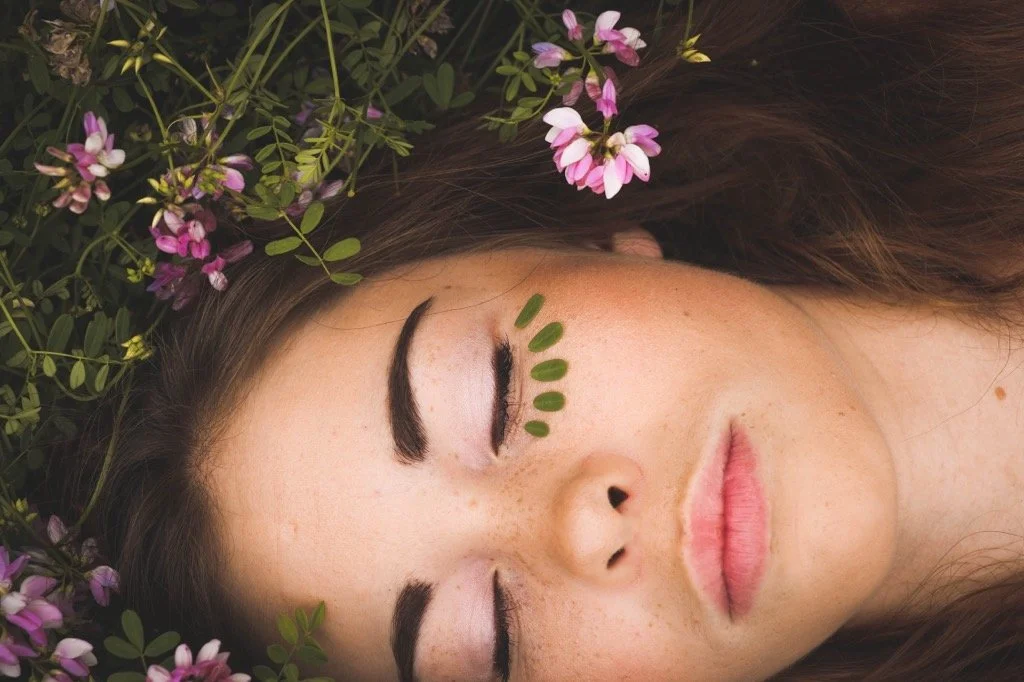
"Sleep is the golden chain that ties health and our bodies together."
Thomas Dekker
How did you sleep last night?
Be honest! It's a question worth sitting with honestly. Did you wake feeling restored, clear-headed, ready for the new day? Or did you hit snooze three times and need coffee just to feel human?
Most of us underestimate how profoundly sleep shapes everything that follows, not just our energy, but our hormones, our immunity, our mood, our metabolism, our ability to think clearly and feel well. In 1910, adults averaged nine hours of sleep per night. Industrial culture trimmed that to seven by the 1960s. Today, many of us are running on considerably less, and treating that as simply the price of a full life.
It doesn't have to be.
Why Sleep Actually Does
When we sleep our bodies perform their most essential maintenance work. The science of what happens during those hours is genuinely remarkable.
Your immune system depends on it in ways that are easy to underestimate. Natural killer cells - the immune cells that identify and destroy cancer cells and foreign invaders - drop dramatically without sufficient sleep. Research by Dr. Michael Irwin at UCLA found that a single night of four hours of sleep reduced natural killer cell activity by 70% compared to a full eight-hour night. One night. Seventy percent. That number is worth pausing on.
While you sleep, your brain's glymphatic system activates - essentially a cleaning crew that flushes out metabolic waste products, including proteins associated with cognitive decline. This process happens almost exclusively during sleep. There is no waking substitute for it.
Sleep also regulates your entire hormonal landscape - cortisol, insulin, thyroid hormones, growth hormone, and the hormones that govern hunger and satiety. Poor sleep raises ghrelin (the hunger hormone) and suppresses leptin (the fullness signal), which is why a bad night's sleep often leads to cravings the following day. Imparied sleep may increase the risk of obesity, depression, and diabetes.

“Sleep is an investment in the energy you need to be effective tomorrow.”
Tom Roth
How to Sleep Better | Practical Anchors That Actually Work
Catch morning light first. Ten to twenty minutes of natural daylight within an hour of waking anchors your circadian rhythm for the entire day. It stimulates serotonin production, which your body later converts into melatonin, the hormone that signals sleep readiness. This single habit has a measurable downstream effect on sleep quality that evening.
Give your screens a bedtime. Blue light suppresses melatonin production by signalling to your brain that it's still daytime. Screens off one hour before bed or blue light glasses if that's genuinely not possible. Think of your pineal gland as your “personal moonlight” switch. You get to decide when to flip it.
Build an evening ritual. The nervous system needs a transition from the pace of the day to the stillness of sleep. Journalling, breathwork, a few drops of lavender or bergamot esssential oil, five minutes of gentle movement. These are kind of signals to your nervous system that it is safe to release the day. Even five minutes of deliberate calm can shift your system from sympathetic (fight-or-flight) into parasympathetic (rest-and-repair).
Move your body, time it wisely. Regular movement significantly improves sleep depth and duration. Cardio earlier in the day. Restorative yoga, Pilates, or gentle stretching in the evening. Consistency here matters more than intensity.
Eat with your sleep in mind. Finish eating three to four hours before bed, keeping dinner balanced with complex carbohydrates and healthy fats to maintain steady blood sugar through the night. Skip the late-night sugar, unless you enjoy a midnight metabolic dance party. Your pancreas doesn't.
Work with your natural rhythm. Most people experience a natural sleepiness dip around 8:30 to 9pm. Miss that window and a second wind can carry you wired to midnight or beyond. When you feel that first quiet pull toward sleep, honour it. Dim the lights, cool the room - ideally between 16 and 19 degrees Celsius - and let sleep come on its own terms.
Create a sleep environment that signals safety. Blackout curtains, a weighted blanket, gentle white noise if the quiet feels restless - these are small investments that compound over time into meaningfully better rest.
the hwell takeaway
Sleep is longevity’s best-kept secret. Seven to nine hours of quality sleep is the foundation your immune system, your brain, your hormones, and your longevity are built on. Everything else you do for your health - the food, the movement, the supplements, the rituals - works better when your sleep does.
Treat your bedtime as sacred. It is your daily retreat. The one non-negotiable act of care you give yourself every single night.
Sweet dreams,
Gaby 💚
Follow us on Instagram